
July 23, 2026
Customer proposals: the price was never the hard part
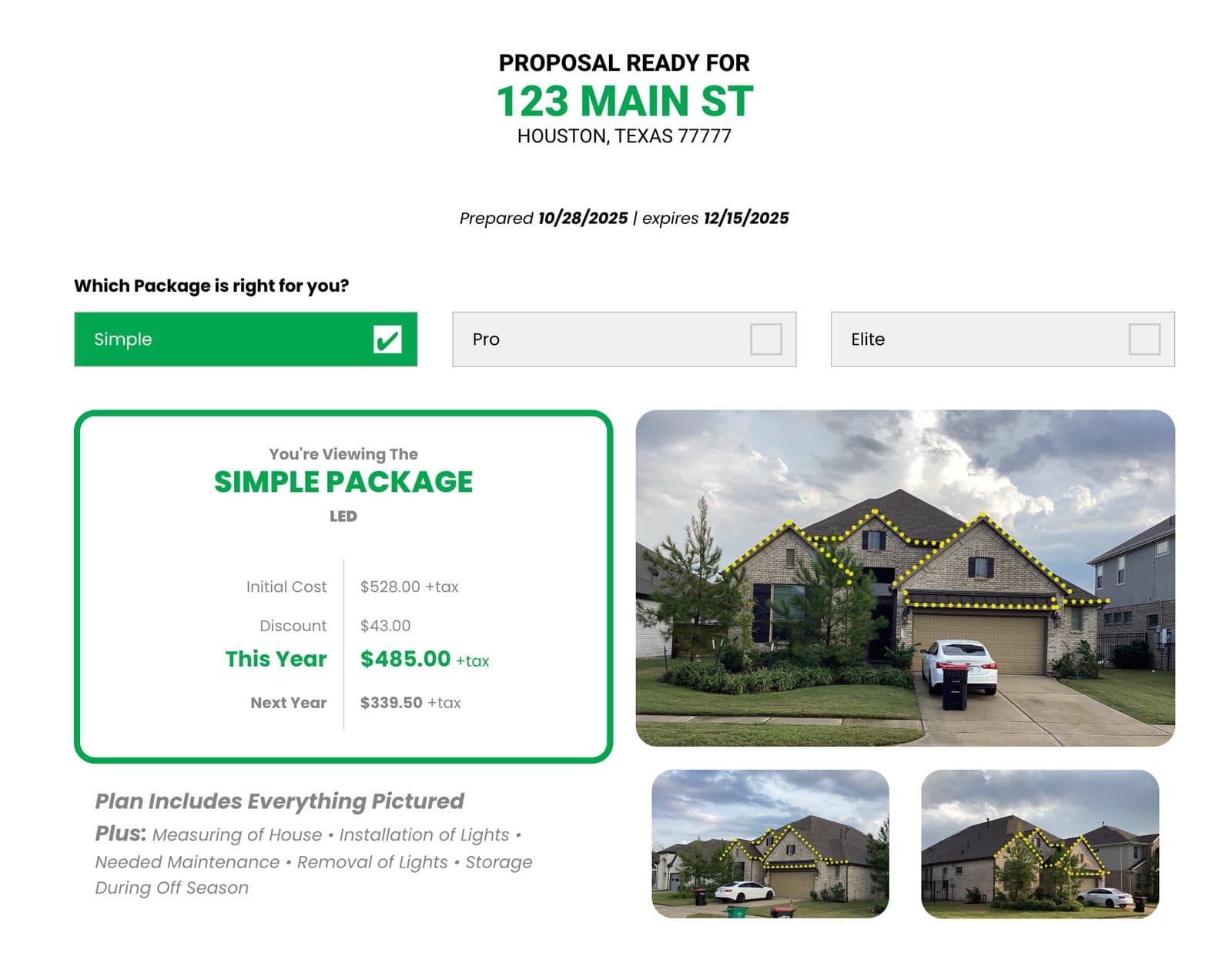
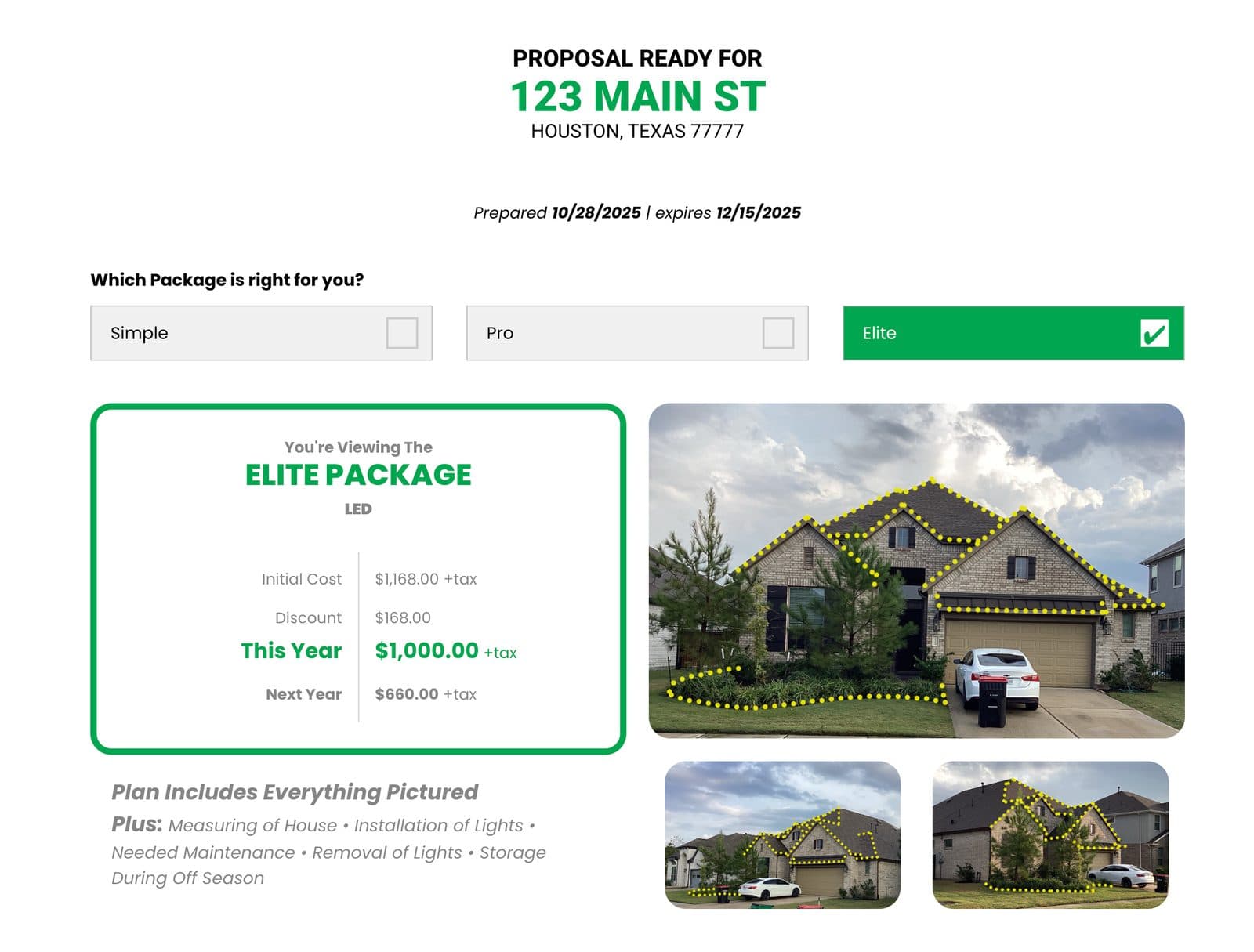
One of our door-to-door salesmen stands on a porch and hands the customer a phone. On it: their house, with Christmas lights drawn on it — three different ways. The customer taps between packages and the pictures change. They pick the one they like, sign, and pay, standing right there on the porch. Nobody says "we'll email you something."
When the quote is remote instead, the same proposal goes out by text or email and closes on the customer's couch. Same machine, different porch.
It took us years to get here, and the thing we had to unlearn is the point of this note: the price was never the hard part.
What quoting used to be
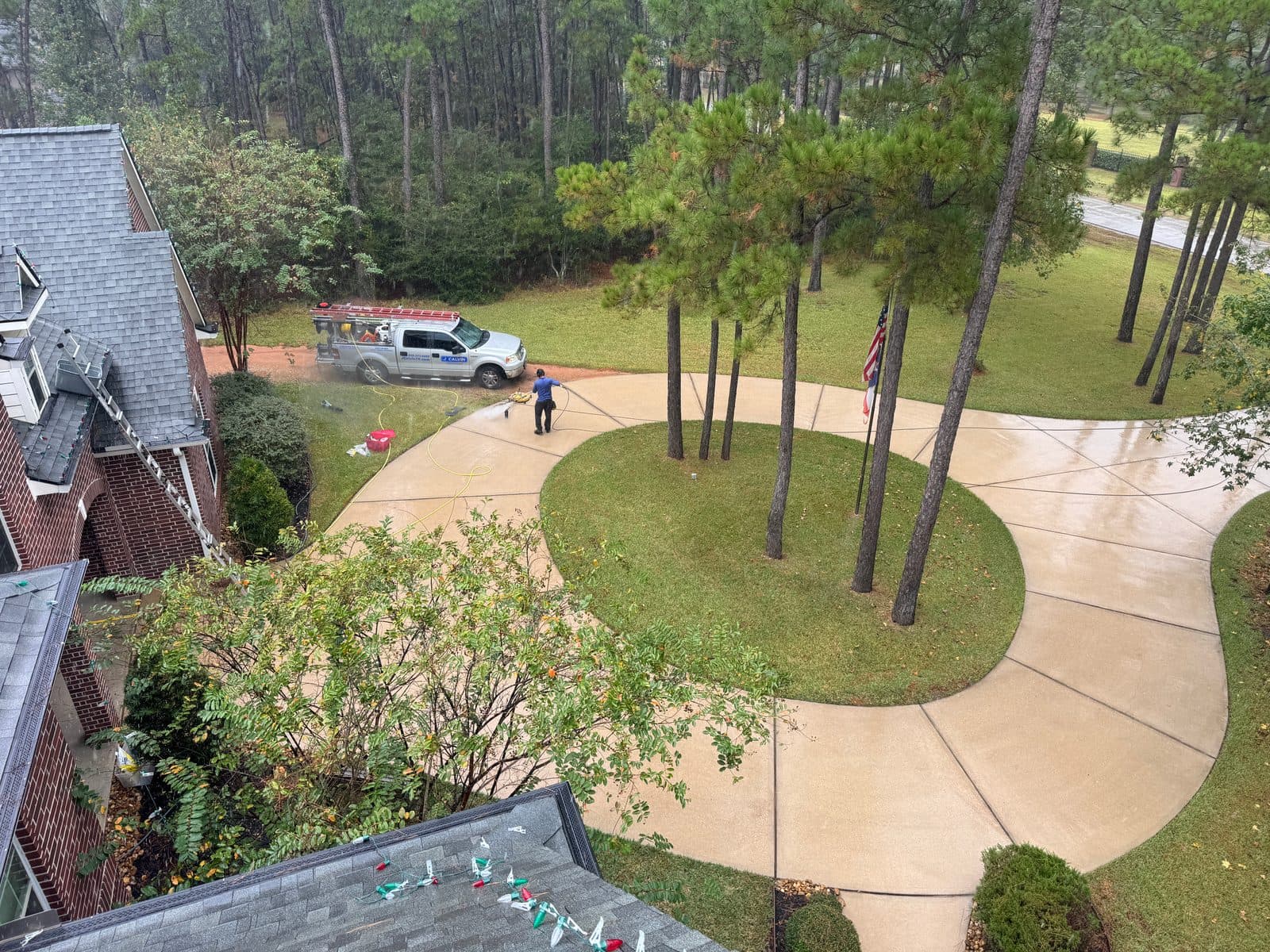
Both of these businesses — Christmas lights, and the pressure washing company — quote the same basic way: measure the house, price the work off the measurements.
I'll be straight about the numbers in this section: nobody ran a stopwatch. This is memory — the difference between feeling stressed and feeling free.
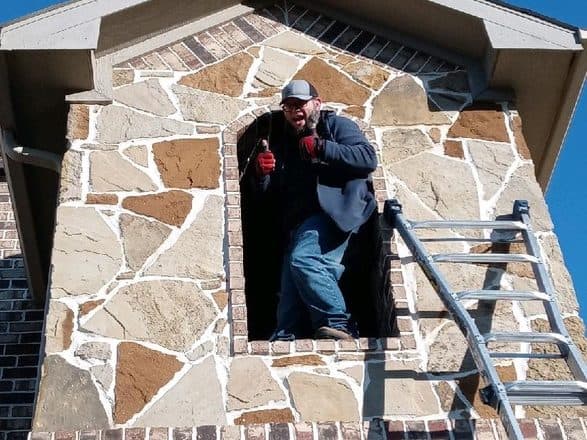
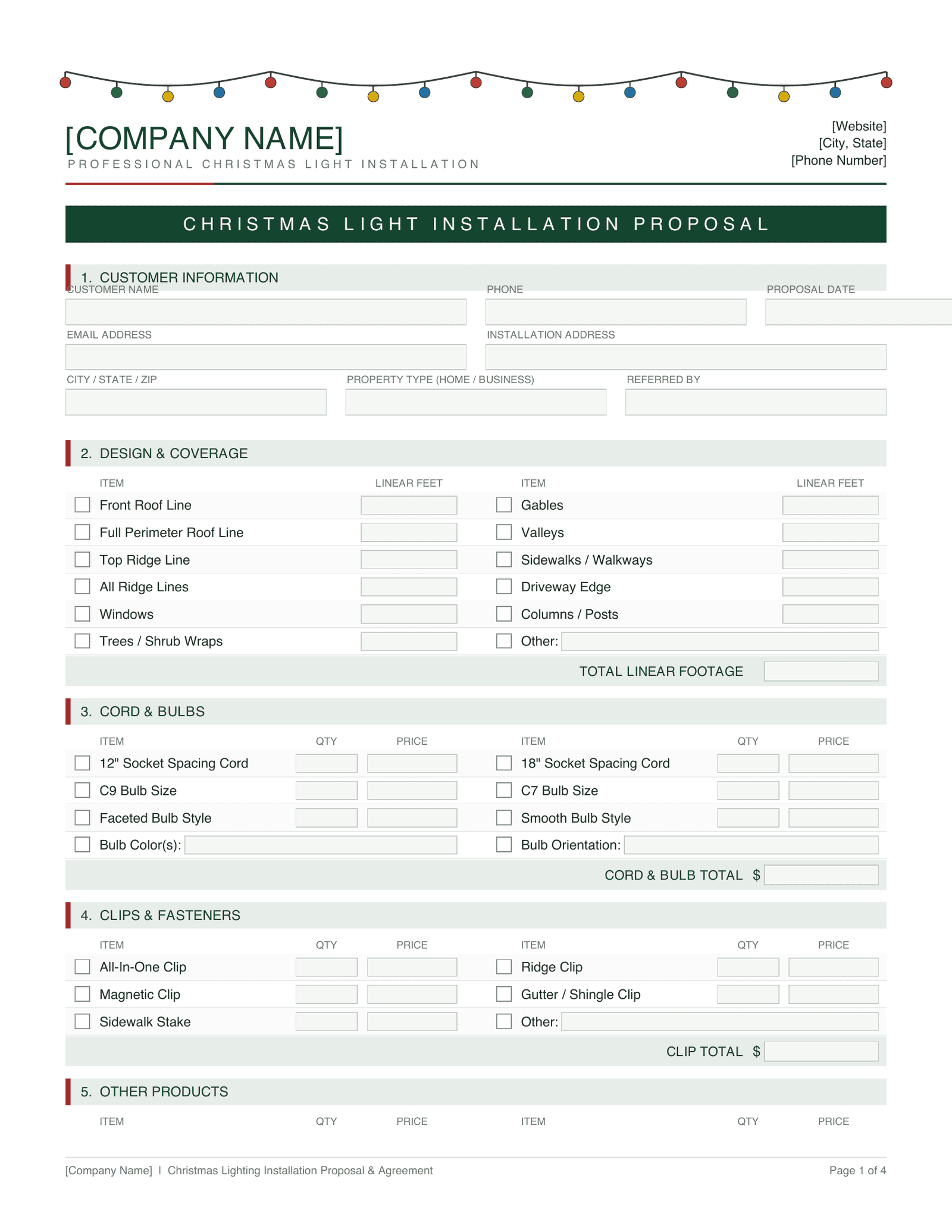
On the lights side, we had a form early on that assembled nice-looking packages. But under the hood, a salesman still sat with handwritten measurements and a calculator working out hard prices to feed the form — 20, 30 minutes of arithmetic per house, more for big houses with more plan options. Call it 20 to 45 minutes a proposal.
Pressure washing was worse, because it was all me. Thirty-five, forty-five minutes assembling details after the visit — then another fifteen or twenty figuring out how to compose an email that could actually sell the job. Most quotes ate the better part of an hour, and then they sat in an inbox waiting to be noticed.
The wrong diagnosis
Every tool we tried treats quoting as a math problem. Here's the thing: the math was the least annoying part. Calculators exist.
Our CRMs have estimating tools built in. They do the math fine, and what comes out the other side is an invoice: line items, prices, your logo at the top. Professional. Sendable. Dead. You're also boxed into selling the way the software talks — its layout, its sequence, its words.
And neither the pen-and-paper world nor the CRM world had a good answer for the thing customers respond to most: showing them the work. Where the lights will go. What we're going to wash. Pictures of their house, not clip art.
The real job
The pain point was never getting the price. It was taking everything you'd collected — the measurements, the photos, the prices — and presenting it to one specific customer in a way that means something to them.
A really good one-off proposal does that. It also eats an hour, every time. So the question stopped being "how do we calculate faster?" and became: what if the best proposal we ever built was the automatic output?
Designed backwards
We started from the end — the proposal we wished we could hand every customer — and built a single form backwards from it. Fill out the form, and the packaged proposal comes out the other side looking like it was made for that one house. Because it was.
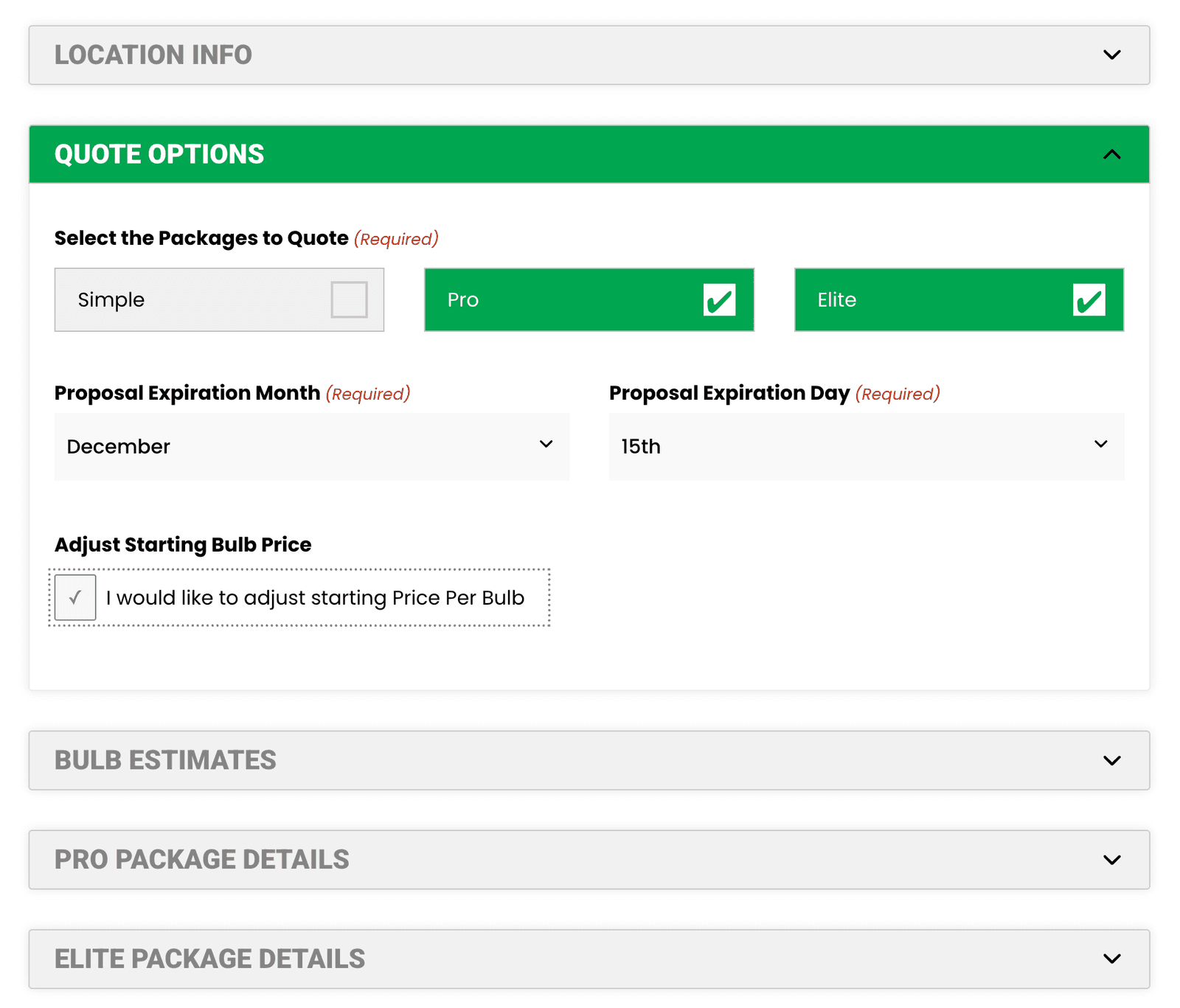
The first version solved the presentation problem and left the math manual — the form made it beautiful, a human still fed it prices. Around 2021 the calculator moved inside the form: type the measurements, the pricing computes while you fill.
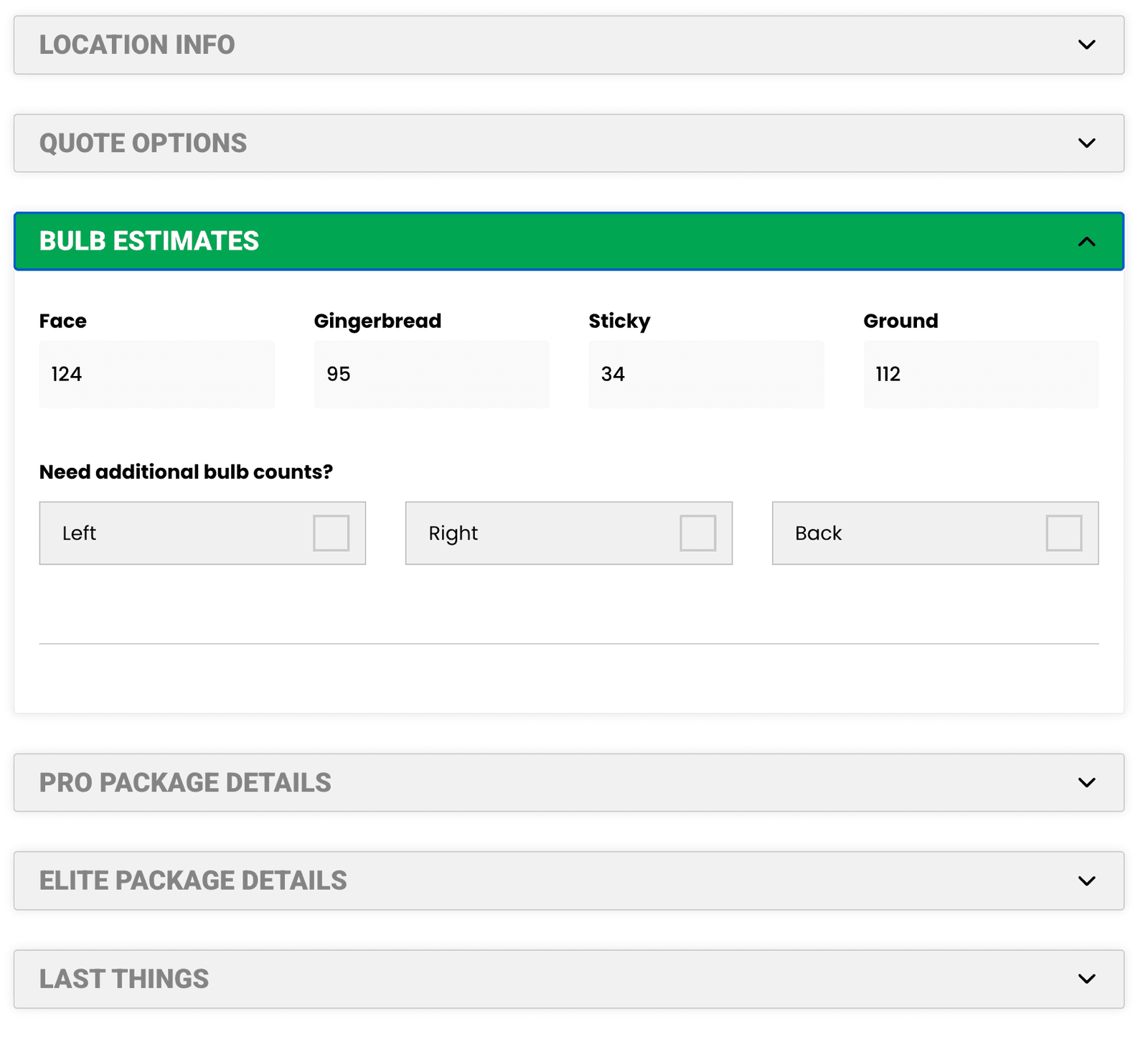
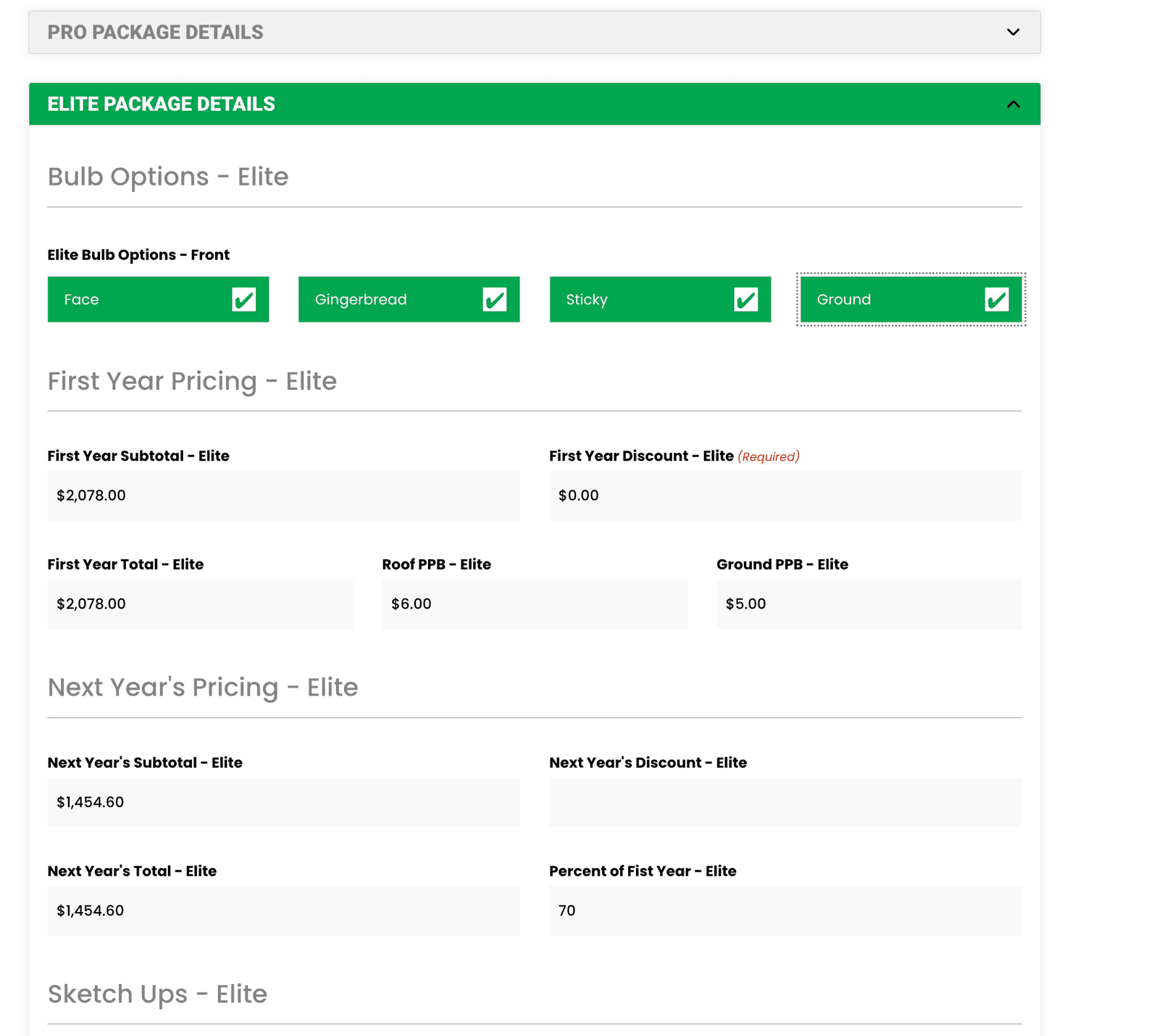
Filling the form takes four or five minutes. Lights proposals went from most-of-an-hour to five or ten minutes; a washing quote, after a few minutes pulling measurements and photos, builds in under five. Again: memory, not a stopwatch — but the stress is gone, and that part I can vouch for.
One engine, two ways of selling
Here's my favorite part. The same engine sells two businesses in opposite directions, because it was shaped to how each one actually sells.
Christmas lights is a packages business. The customer sees their house with the lights drawn on — Simple, Pro, Elite — from multiple angles, and as they tap between packages the pictures and the price change together.
Pressure washing sells the opposite way. There are no tiers — the proposal shows the whole scope, photographed at their house, with their name and address on it, and the customer opts out of services rather than getting upsold into them. Bundle discounts reward keeping more of the list. And where those quotes used to live and die in email, the same proposal now closes at the door, by text, or by email.
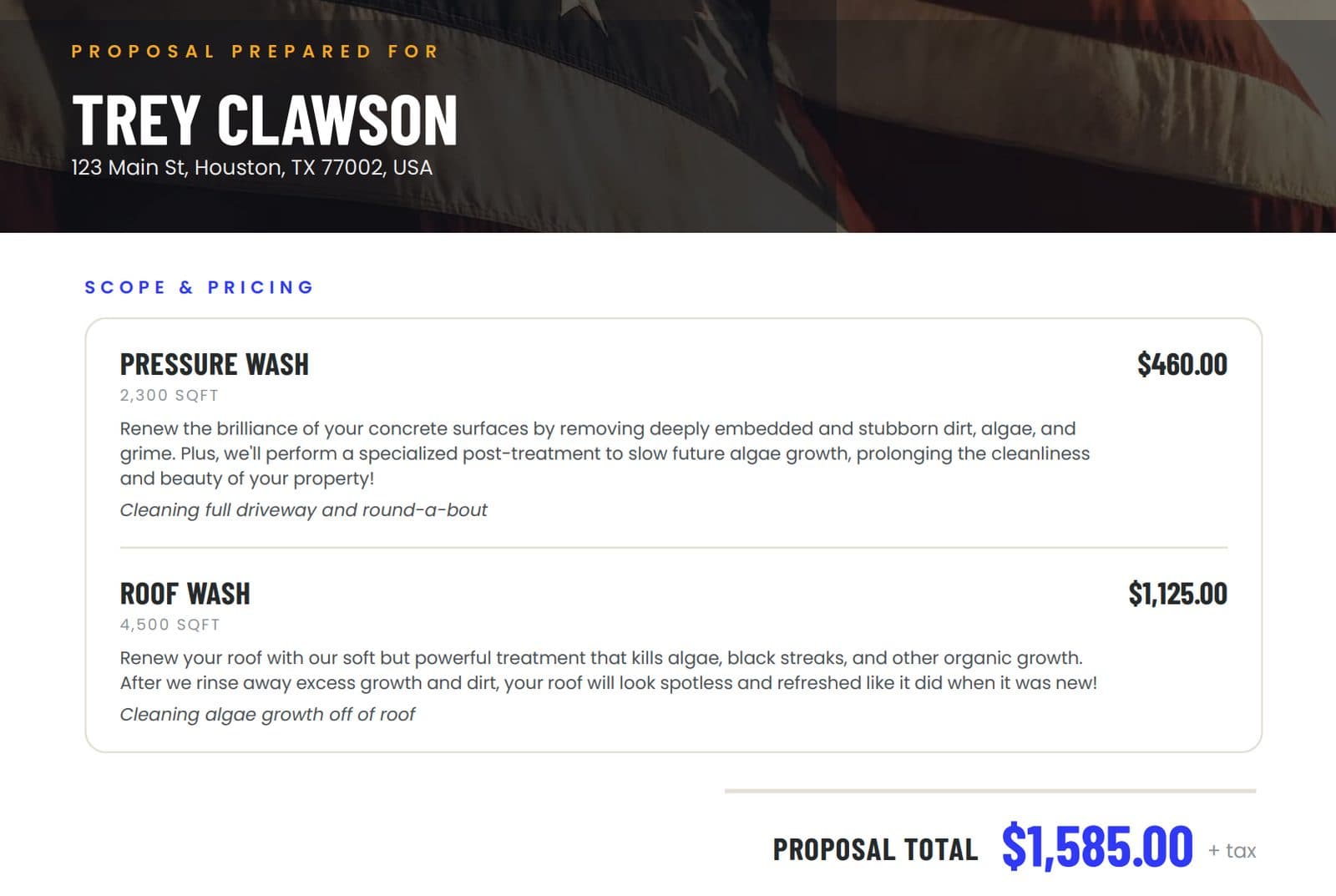
Either way, the close is built in. The customer signs right in the proposal —
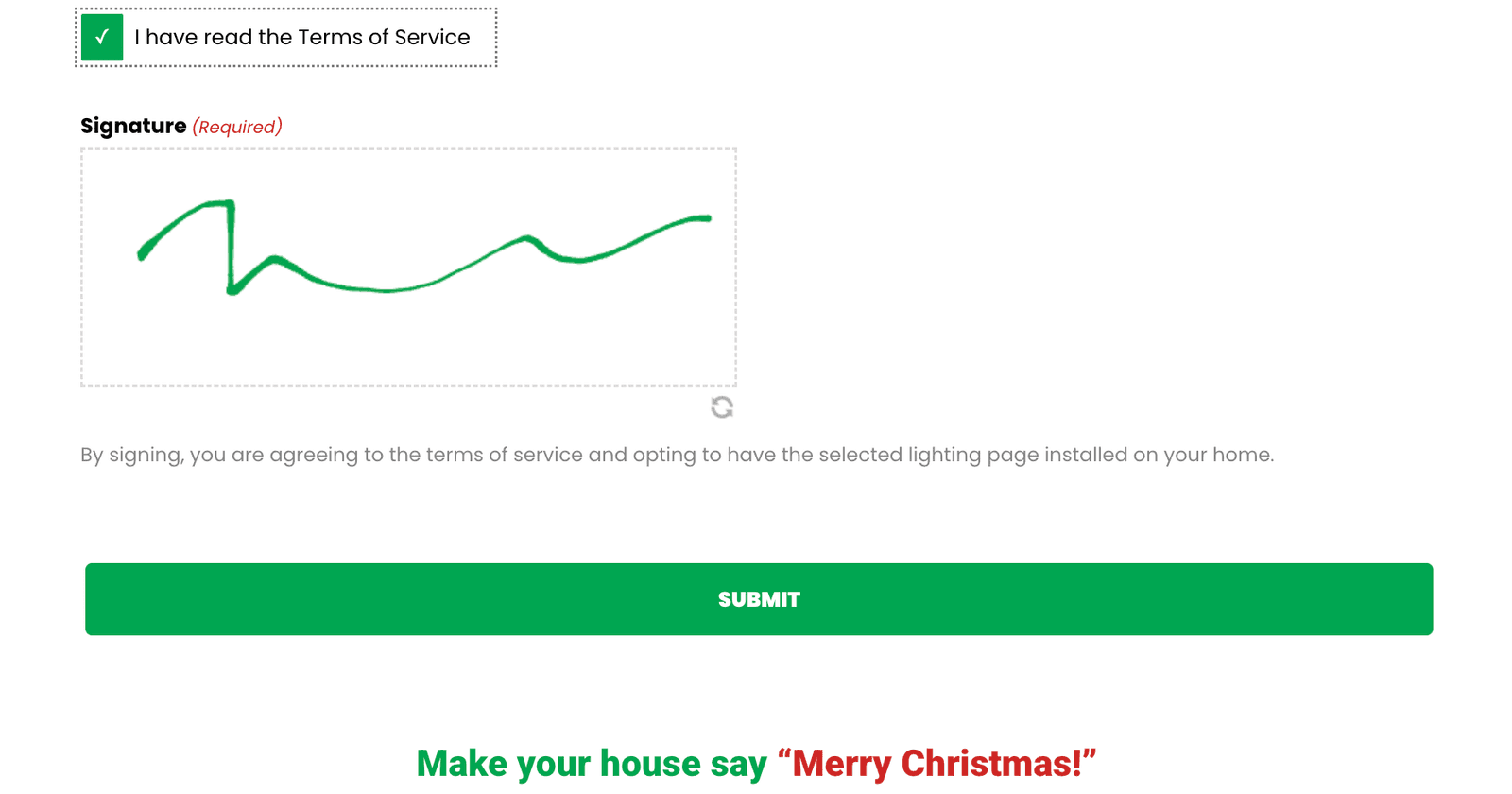
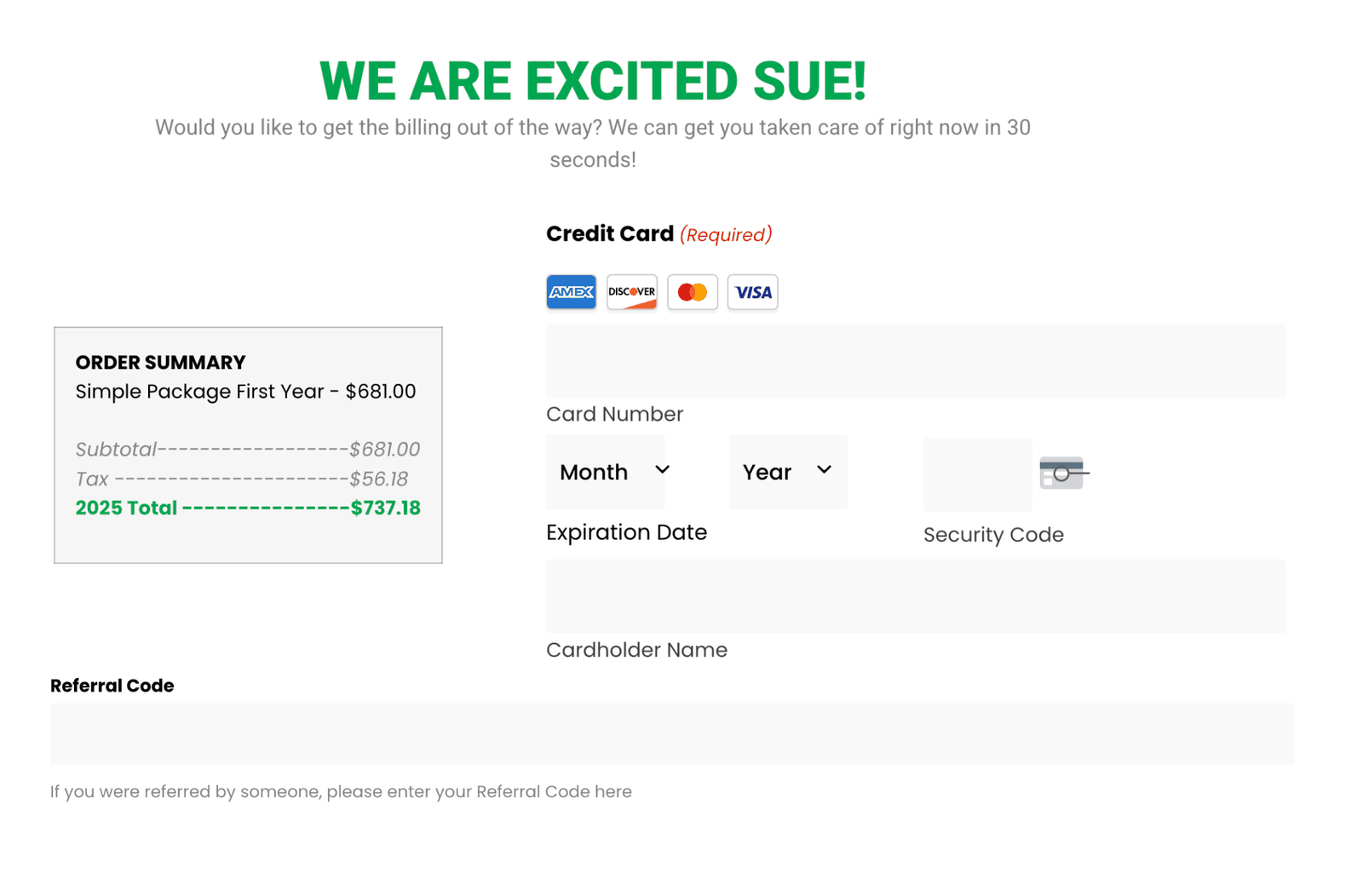
— and then it hands off to the same payment screen from the last note. On the lights side, every accepted proposal is signed online. Not most — all of them. It's the only door.
The numbers
Close rates, last season — table lands when the compile is locked
If your quotes read like invoices
You're asking the customer to do the selling. Look at what you send after a site visit and ask what it's really communicating: here are some line items, figure out why you want this.
The math is the easy part — buy a calculator, build one, whatever. The work worth doing is deciding what your best one-off proposal ever looked like — the one where the customer saw their own house and said yes on the spot — and building a form backwards from it, so that proposal is what your team produces every time, in minutes. Same process for you, one-of-one for them.
Next step
Let's cut through the noise.
Tell me the pain you're feeling, and in 30 minutes I'll help you see the path forward. No strings.