
July 22, 2026
From post-season collections to preseason profit

Last season we hung Christmas lights on about 1,200 homes. Out of all of them, exactly two accounts went late enough that a person had to step in and collect.
Everyone else either paid before our trucks rolled or paid on their own from a text or an email — more than nine of every ten payments arrived without anyone on our team touching them.
And to be clear: we're not off the phones. We talk with our customers constantly. The difference is what the calls are about now — schedules, service, getting the lights right. Not where the money is.
It did not used to be this way.
What collecting used to be
When we started the Christmas light business in 2018, we handled money the way most home service companies do: do the work, then go get paid. Techs collected checks in driveways. CSRs took card numbers over the phone, one at a time. In 2020, our third season, 978 of the 979 payments we received touched a human hand somewhere along the way.
And the owner felt it every fall. A Christmas light season eats capital up front — product, trucks, install crews that need to be paid now — while the money trickles in on the back end. I watched him carry the same stress every year: how do we pay people when the cash doesn't show up until the season's nearly over?
Growth broke it. Not people.
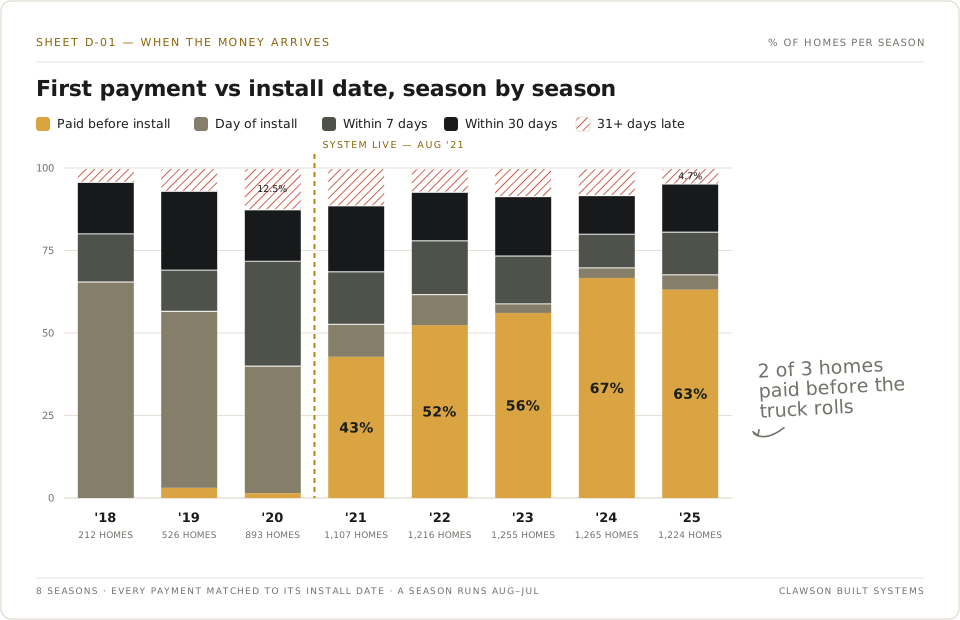
Here's the part nobody tells you: collect-after-the-work isn't broken when you're small. Our first season we served 212 homes, and two-thirds of them paid the day of install. Checks in driveways worked fine.
By 2020 we were at almost 900 homes. Same process, same team. Day-of payment fell to 39%. Accounts that went more than 30 days past due tripled to 110 — and every one of them was a chase. Calls, voicemails, awkward conversations in late January about lights that came down weeks ago.
Nobody got worse at their job. The process got outgrown. That's the trap in doing the work before you get paid: every customer you add is another account you might have to chase. Growth compounds the problem.
The flip
So in August 2021, we changed when money changes hands.
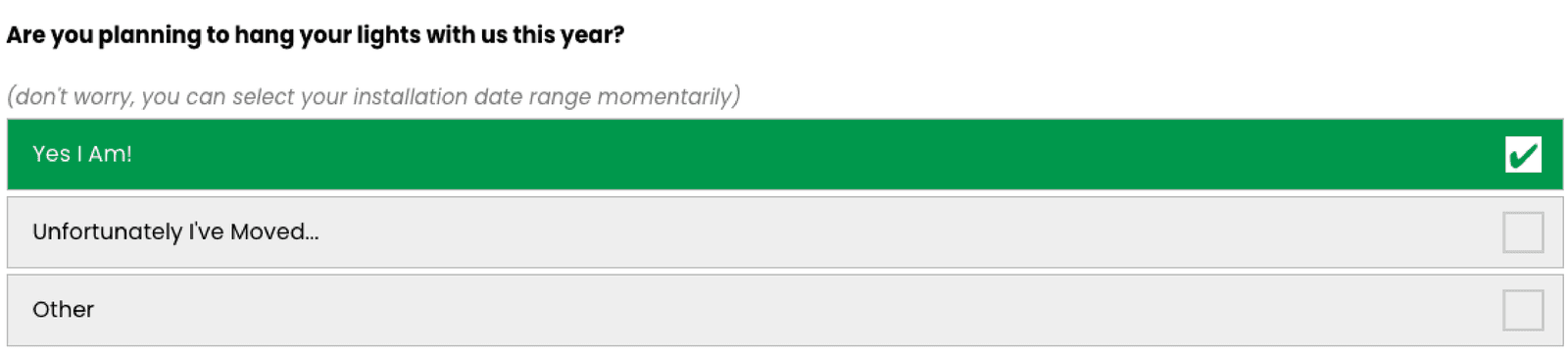
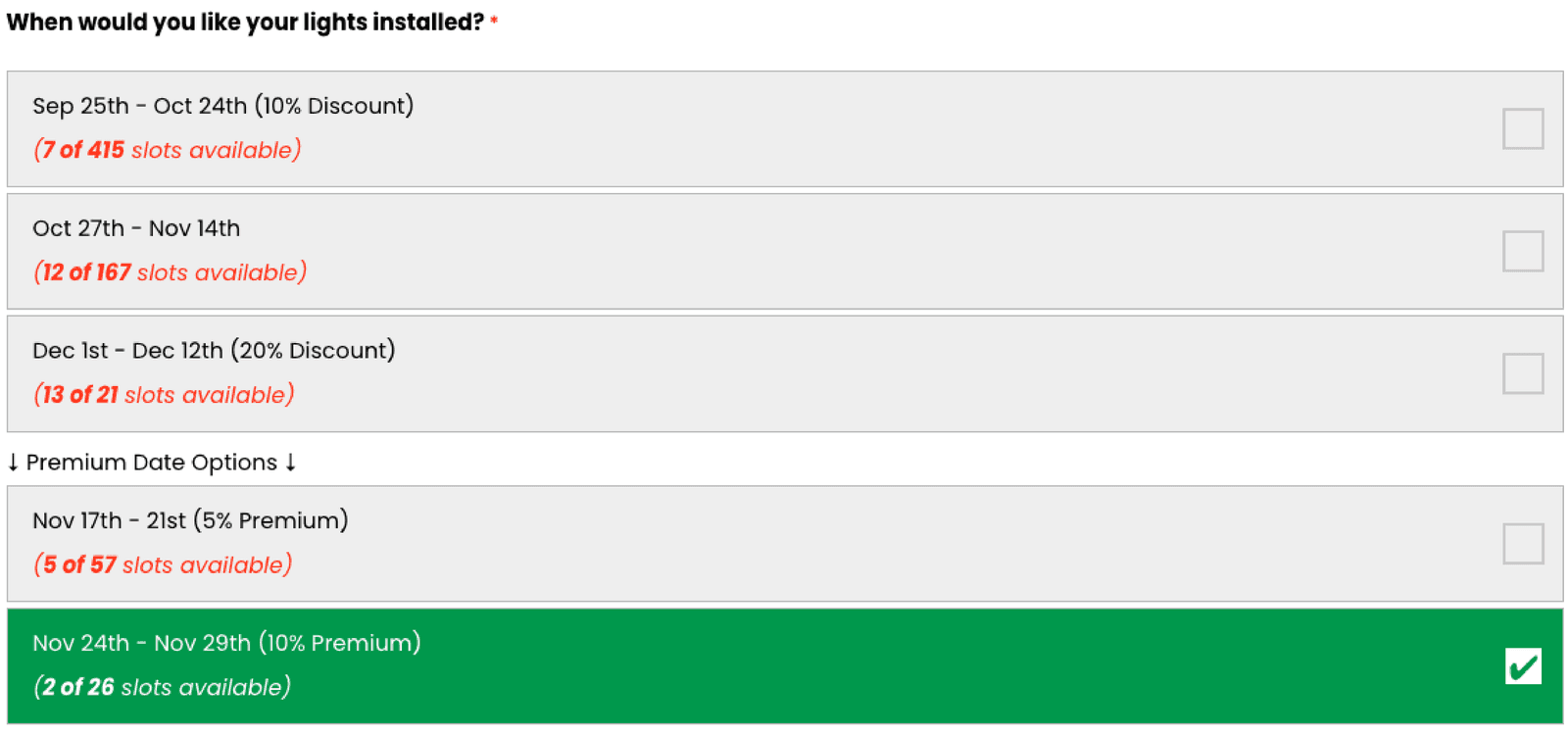
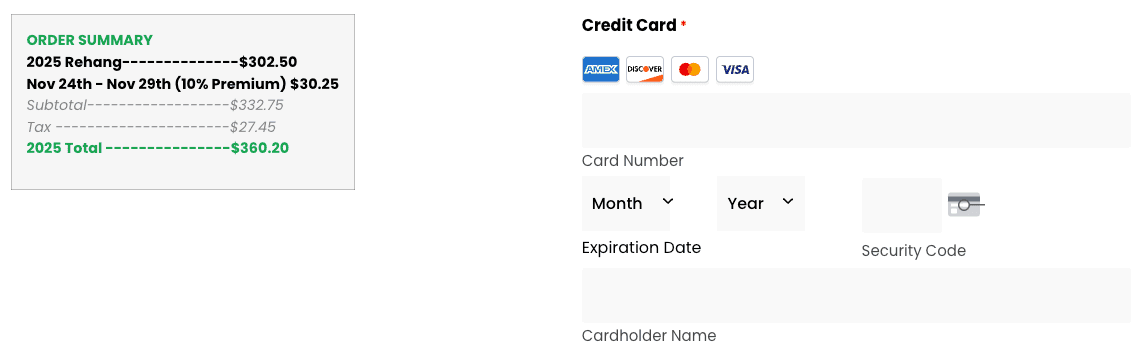
Not by chasing harder — by rebuilding the flow so payment comes first. Before the season starts, returning customers get a few simple automated emails and texts inviting them to get on the schedule, and paying is part of signing up. About a quarter of our entire season now books itself that way — most of it paid — before we've made a single call or hung a single strand. Once the season starts, roughly another half respond to that same outreach and pay themselves online. And the customers who do wait until after the install? Most pay on the first reminder, through a payment link we text them. Even our collections process barely involves taking a payment by phone anymore.
Here's what the customer actually sees:

What the data says
I pulled all eight seasons of payment records and matched every payment to its install date. Here's when the money actually arrives:
| Season | Homes | Paid before install | Day of | Within 7 days | Within 30 days | 31+ days late |
|---|---|---|---|---|---|---|
| 2018 | 212 | 0% | 66% | 15% | 16% | 4% |
| 2019 | 526 | 3% | 54% | 12% | 24% | 7% |
| 2020 | 893 | 1.5% | 39% | 32% | 16% | 12.5% |
| 2021 | 1,107 | 43% | 10% | 16% | 20% | 11% |
| 2022 | 1,216 | 52% | 9% | 16% | 15% | 7% |
| 2023 | 1,255 | 56% | 3% | 15% | 18% | 8.5% |
| 2024 | 1,265 | 67% | 3% | 10% | 12% | 8% |
| 2025 | 1,224 | 63% | 5% | 13% | 15% | 4.7% |
Two of every three homes are now paid for before our trucks ever roll. The median payment used to land two days after install; now it lands about a week before.
And the late list — the thing that used to eat our winter — collapsed:
| Season | 31+ days late | Paid on their own | A person had to collect |
|---|---|---|---|
| 2020 | 111 | 1 | 110 |
| 2022 | 86 | 58 | 28 |
| 2024 | 102 | 92 | 10 |
| 2025 | 57 | 55 | 2 |
In 2020 we manually collected about $64,000 in late payments. In 2025: $1,341.
The stress moved to the right place
The owner still asks about collections — but the question changed. He used to ask how we'd cover payroll in November. Now, when the preseason scheduler goes out and money starts landing in August, he asks for a daily report of what's come in — because he's excited to watch it.
And the pressure shifted somewhere better: these people already paid us. Now we have to get it done right.
That's the trade I didn't fully appreciate until I watched it happen. Prepayment doesn't just fix cash flow. It converts financial stress into service accountability. Nobody's wondering how to fund the season. Everybody's focused on delivering what's already been bought.
What it actually bought us
When the season's money arrives before the season does, you get to spend it on the season. Every year now, before the first install, we run a fully funded week-long bootcamp — every crew, trained together, so the quality on house number 1,200 looks like the quality on house number one. That used to be impossible. You can't fund a week of training in October with money that doesn't show up until February.

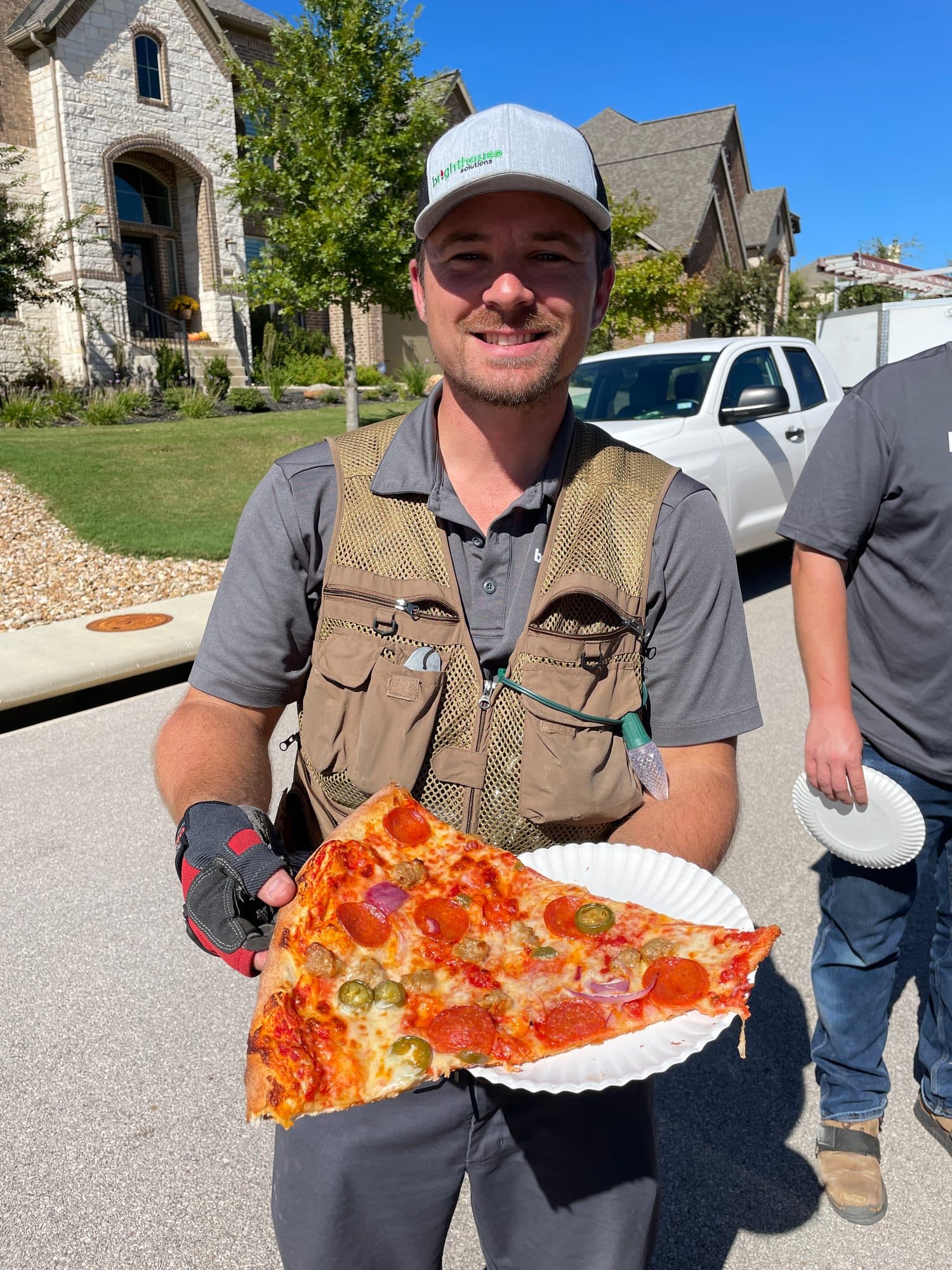

And when nobody spends the winter playing debt collector, that attention goes somewhere too. For us it went into the work — the communication, the small stuff that's invisible on a spreadsheet. We've had customers leave us over price and come back a season later, because the quality they got elsewhere wasn't the same.
We never set out to be good at collections. The goal was to build a trusted name as the best in Christmas lights — the kind of company customers text back saying put me on the schedule and take my money. That's what the system actually bought us. Not fewer phone calls. The room to be worth coming back to.
If your business collects after the work
Look hard at that order of operations. It probably made sense at the size you were when you set it up. The fix isn't a template — this worked because it was built to fit how this business already sells, seasonal rhythm and all. But the principle travels: change when money changes hands, give customers a way to pay that doesn't require your staff, and growth starts compounding your funding instead of your collections problem.
Next step
Let's cut through the noise.
Tell me the pain you're feeling, and in 30 minutes I'll help you see the path forward. No strings.